Showing posts with label Jaguar watching tours. Show all posts

Friday, July 28, 2017

RECORD 5 JAGUARS SEEN DURING OUR KAA IYA NATIONAL PARK JAGUAR SAFARI

AMAZING 5 JAGUARS SEEN DURING OUR BOLIVIAN WILDLIFE WATCHING TOUR 

On the 19th of July we departed for our 5 day wildlife watching tour deep into the Bolivian Chaco, our tourist was an experienced traveller /photographer with over 20 years of expeditions to some of the worlds most wild and remote destinations. His previous trips to the Paraguay Chaco had been successful with a Jaguar and Puma sighting so we had our hard work cut out for us , if we wanted to impress.

The start of our trip was eventful, we saw a pair of rarely seen Huaron, a small weasel type species which was my 2nd only sighting of these mammals. We stopped into the Mission town of San Jose de Chiquitos where we had a buffet lunch before entering the vast forests of the Bolivian Chaco. 

Our first night drive yeilded almost immediate results with a close up sighting of Ocelots and Crab Eating Foxes, they were not in the mood for pictures so we returned to camp ate a freshly prepared meal and got some sleep before a LONG AND EVENTFULL DAY AHEAD.

One of many Ocelot Sightings of the trip.
Day two started with a 4am rise, it was freezing so after a quick coffee and breakfast we departed , focusing our search on a proven area where we have had excellent Jaguar sightings in the past. We had a quiet morning that produced another quick Ocelot sighting and an amazing sighting of an American Own Eating a Woodrail. Something you dont see everyday.
American Horned Owl with a freshly killed Woodrail.
This spectacular Jaguar was the first of our 5 Jaguar sighting. Photo credit Ronan le degac

 As we drove deeper into the vast Chaco we had the spectacular sighing of a huge female Jaguar which was trying to warm up in the suns morning rays ! This was my first ever sighting of this indivual Jaguar and we spent he next hour watching it metres from our 4WD basking in the sun. This was one of the most relaxed Jaguars we had ever seen.


Mating pair of Jaguars, close up sighting

Photo credit : Ronan le degac


 Overjoyed at this incredible sighting we didnt know how much better our day would get, we turned around and headed back for lunch only to be greeted with the incredible sighting of not 1 but two different Jaguars. The female was so small that we initally thought it was a female with its cub , but on close inspection it was male and female.
The male jaguar was very wary of our 4WD and didnt want to be seen , however the young female Jaguar was rolling around on the road just metres in front of our 4WD.

From past experiences we knew that when there is a female Jaguar on heat other Male Jaguars would soon be prowling the area, so after a short rest we ventured out looking for these majestic big cats. After less than 15 minutes and just a few kilometres from our camp we were rewarded with another amazing Jaguar sighting, a young male hot on the scent of the female. This Jaguar didnt like the attention and only stayed around for a few pictures before entering the thick Chaco shrub.


The last Jagaur sighting didnt provide us with any decent photos, but it was an amazing sighting none the less, this huge Male Jagaur was literally sprinting on its way to challenge the other male Jaguar for mating rights, it came again very close to our 4WD before dissapearing into the Jungle. 
Overjoyed with 5 Jaguars in one day we returned to the camp for cold beers , wine and celebration. 


The last few days were quiet in comparison, we had a rushed sighting of a Tapir, many 3 banded Armadillos, a huge troop of White lipped Peccaries, snakes, Monkeys and others. The most impressive sighting was that of two Solitary Peccaries which up until 1973 were declared extinct. This was an extremely rare sighting of this endangered and endemic Peccary.


The incredible sighting of the rarely seen Chaco or Solitary Peccary.

One of our favourites, the interesting 3 banded Armadillo.

With cameras full and memories of a lifetime , we departed the Bolivian Chaco and made our way back to Santa Cruz.

FOR MORE INFORMATION ABOUT OUR BOLIVIAN WILDLIFE WATCHING EXPEDITIONS CONTACT US TODAY
Saturday, December 17, 2016

A RECORD OF 7 FELINE SPECIES IN BOLIVIAN CONSERVATION RESERVE

A RECORD 7 DIFFERENT CAT SPECIES RECORDED ON A PRIVATE RESERVE IN BOLIVIA


( SEE PICS AND VIDEOS BELOW )

Located just 3 hours or 180 km from the City of Santa Cruz is the spectacular San Miguelito Reserve, this property is a Cattle Ranch/Eco Tourism destination which has been created to recover cattle losses, prevent the killing of Jaguars and to help alleviate damage caused from Jaguars eating cattle etc. This project teaches locals that Wildife is worth more alive than dead.
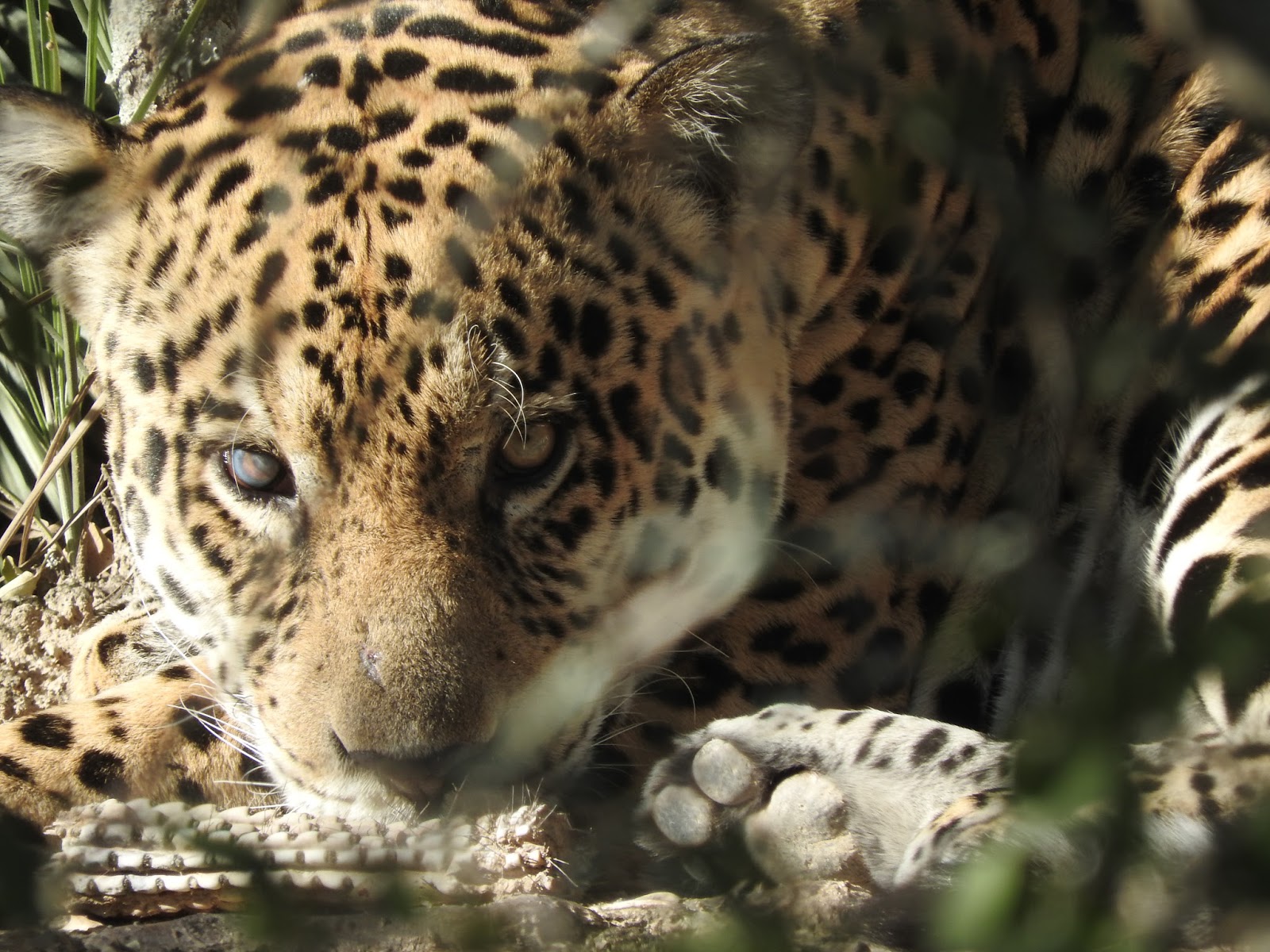
A Jaguar which has been recorded at San Miguelito Reserve for the past few years


San Miguelito was prevously studied by WCS with the aim of finding out the Jaguar densities in the area, the results were fantastic with some of the highest densities of Jaguars and Pumas found anywhere in the world. In addition to Jaguars the property is home to Puma, Geoffreys Cat ,Jaguarundi, Ocelot, Margay and just recently a Pampas Cat was recorded for the first time ever !

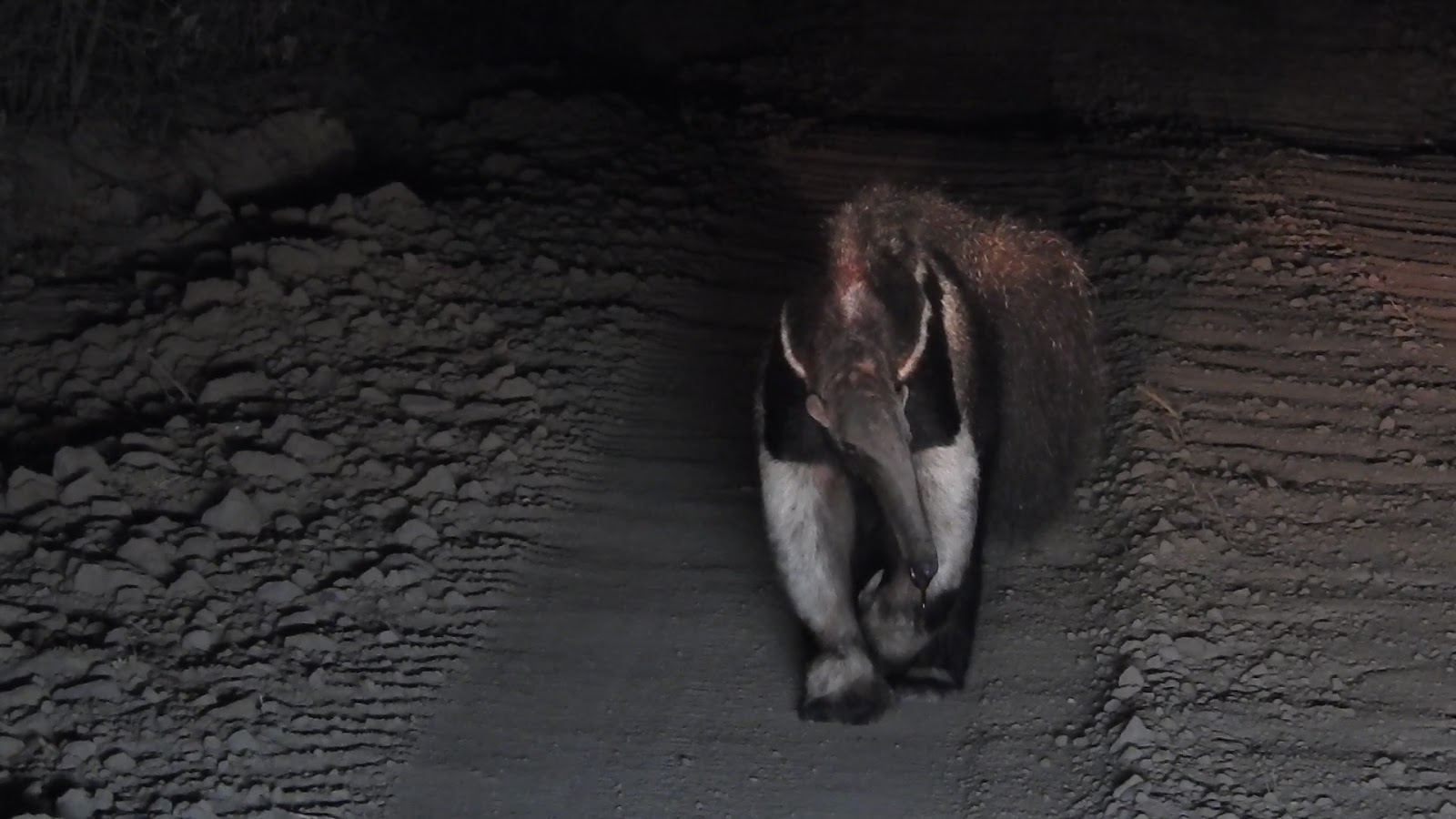
Other species of animals which are thriving on the property include Tapir, Giant Anteater, Lesser Anteater, Brocket Deer, White Lipped Peccary, 3 banded Armadillo, Anaconda, Howler Monkeys, Titi Monkeys, Silvery Marmosets, Capybara and more.

A giant male resident male Jaguar which lives in the San Miguelito Jaguar Reserve.

The cat species recorded are 

Jaguar
Puma
Ocelot
Margay
Jaguarundi
Geoffrys Cat
Pampas Cat
 
The spectacular scenery and pristine forests of San Miguelito Jaguar Reserve


(SEE LINK OF PREVIOUS STUDY OF SAN MIGUELITO )
 https://www.researchgate.net/publication/283722085_Six_species_of_cats_registered_by_camera_trap_surveys_of_tropical_dry_forest_in_Bolivia

HERE ARE SOME OF THE CAMERA TRAP PICTURES AND VIDEOS TAKEN FROM THE SAN MIGUELITO JAGUAR RESERVE 

Mother Jaguar and her cub, exciting news for the survial of the Jaguar
Beautiful video of a Jaguar at San Miguelito Jaguar Reserve
Ocelot with a freshly captured Rat
Margay caught on camera trap
Jaguarundi cat, one of 7 different species found here.
First ever capture of a Pampas Cat in San Miguelito , which makes it feline species number 7
 
Puma, one of the more common cat species in Bolivia
The San Miguelito is an excellent conservation story in Bolivia, and one of the only areas on the planet where you can visit which has 7 different species of felines.

Tours to this reserve offer night walks, canoe trips, hiking, setting up and checking camera traps, fishing , bird watching and much much more.
For more information about visting this amazing Reserve then contact us at NICKS ADVENTURES BOLIVIA

Wednesday, November 16, 2016

AMBORO NATIONAL PARK 

CAMERA TRAP RESULTS


As part of our commitment to conservation projects , Nicks Adventures Bolivia has brought there own camera traps and placed them in many strategic areas of Bolivia which include Amboro National Park , Noel Kempff National Park , Kaa Iya National Park and private reserves in both the Beni Department and the San Miguelito Jaguar Conservation Reserve.

With the help of these camera traps we can observe which animals are found in each region and also moniter the activities of hunters in the regions as well.

SEE THE GALLERY OF THE CAMERA TRAP IMAGES FROM A LOCATION IN THE SOUTHERN SIDE OF AMBORO NATIONAL PARK , BOLIVIA.

The Spectacled Bear or Andean Bear we recorded in Amboro National Park

Puma or Mountain Lion with her cub , in Amboro National Park, Bolivia

The Ocelot , a beautifully marked cat which was once hunted in the thousands for its prized fur coats

The Tayra or Melero or spanish , one of many smaller mammals we have recorded in Amboro National Park


The rarely seen Margay , a small cat which is easilly confused with the Ocelot, it has been recorded imitating monkeys

One of our most exciting recordings, was that of the Jaguar or Panthera Onca, sadly we think this Jagaur was killed weeks later by cattle ranchers who border the park.
The Tamandua or lesser Anteater


Perhaps our most exciting capture, the Short eared Bush Dog, which is the first time its been recorded in the Amboro National Park
Red Brocket Deer, an important food source for the Puma and Jaguar


.
The Agouti Paca, a main prey species of the Cat species, sadly its also hunted heavilly from local communities.
These are just some of the hundreds of images which we have recorded on our own personal camera traps, if you are interested in helping us with these projects then join us on one of our tours to the many different regions of Bolivia, here you will have the opportunity to help us set up and check the camera traps and see which wildlife species are living in each different Ecoystem we visit.

For more information about our wildlife trips in Bolivia contact us at nicksadventuresbolivia@gmail.com or visit our webpage of www.nicksadventuresbolivia.com

Thursday, October 27, 2016

Exploring Kaa iya National Park in Bolivia

2016 Kaa Iya National Park Best Wildlife Sightings

At Nicks Adventures Bolivia we are lucky to visit some of the most remote and pristine areas found on the planet, a prime example of this is the spectacular Kaa Iya National Park , which is the most pristine Chaco Forest on earth.

Its remoteness has protected it from the outside world and is now one of the BEST PLACES in the world to observe Jagaurs in the wild. In addition to Jaguars, its also common to see Pumas, Tapirs, Ocelots, Titi Monkeys, Rattle Snakes, Toucans and even Giant Anteaters.

Our tours to Kaa Iya National Park are aimed at giving our clients the best chance to see these animals in the wild, so please see some of this years amazing wildlife sighings in Kaa iya National Park.

This year we have been incredibly lucky to have seen a huge variety of wildife, here are a few of our favourite wildlife watching moments from our Kaa Iya National Park Tours.
My favourite moment of 2016 , with this 40 minute sighing of this large male Jaguar.

  
A spectacular close up sighting of a Tapir which we called up to us, with our specialized Tapir Whistle.
Another amazing close up encounter with a young Ocelot in Kaa Iya National Park
One of our best moments of 2016 , with the ultra rare sighting of a Chaco or Solitary Peccary.
A Giant Anteater which was seen by our tourists fighting against a Jagaur for over 40 minutes.
A small Female Puma which literally walked right up to us during our Kaa Iya National Park trip in July 2016

This is just a few of many of our incredible sighings from our tours to Kaa Iya National Park, if you are interested in our Jaguar Spotting and wildlife watching Tours in Bolivia then contact us today at nicksadventuresbolivia@gmail.com or visit our website of www.nicksadventuresbolivia.com

Friday, July 1, 2016

Jaguar sighting in Kaa Iya National Park Bolivia


 JAGUAR SIGHTING IN KAA IYA NATIONAL PARK 
WILDLIFE TOURS IN BOLIVIA WITH NICKS ADVENTURES BOLIVIA

During our recent Kaa Iya National Park Jaguar Tour, we were lucky enough to have this incredible close encounter with this curious male Jaguar, we first saw him from a distance of over 300 metres so we stopped the 4WD and waited for the Jaguar to come to us, we watched this Jaguar for over 20 minutes and it was one of the best Jaguar sightings we have had inside the Kaa Iya National Park.
 Our tours to Kaa Iya National Park aim to educate the public that these majestic animals are worth more alive than dead as sadly literally hundreds of Jaguars are killed by Cattle Farmers, hunters and now for Chinese businesmen who are trading the teeth and bodyparts of Jaguars.

Our tours to Kaa Iya National Park include entering the most remote parts of the park , we have very long days/nights as we search the best and most proven areas to look for big cats. In additional to Jaguars we also search for Tapirs, Pumas, Ocelots, Giant Anteaters and a huge array of other species.

For more information about our tour to Kaa Iya National Park or any of our other Bolivian National Park expeditions contact us today at nicksadventuresbolivia@gmail.com or visit our webpage of www.nicksadventuresbolivia.com

WILDLIFE OF BOLIVIA 

Unknown to most Bolivia actually has some of the most pristine Eco Systems and Forested areas in the world and living in these vast areas are some of the most incredible and rare wildlife species on the planet.

Here is a list of some of the more iconic Bolivian Wildlife Species which can be seen while visiting this amazing country and the Best Bolivian National Parks where you can find them.

JAGUAR - PANTHERA ONCA


The largest cat in the Western Hemisphere this bulkish Cat is the king of the South and Central American Jungle, its beautifully fur coat nearly pushed it to extinction during the 60,70s and 80s however thanks to protection measures its slowly recovering. This incredible big cat can be seen in many of Bolivias National Parks including Madidi National Park ,Otuquis National Park and especially Kaa Iya National Park.

ANACONDA


The worlds 2nd largest snake by length and the worlds heaviest snake is still found frequently in the Bolivian Wetlands and Amazon regions, sadly its usually killed on sight by villagers and fisherman due to its undeserved reputation for being a potential man eater. Best places to observe this incredible reptile in Bolivia include the Otuquis National Park , Bolivian Pantanal , Beni Wetlands and the Pampas de Yucuma region.

THREE TOED SLOTH

The iconic 3 toed Sloth is found frequently in Santa Cruz, and is one of the most weird and different animals you will encounter whilst travelling through South America. Its one of the worlds slowest moving mammals and literally spends most of its day sleeping in tree branches usually close to rivers. Santa Cruz Bolivia is one of the best places to see Sloths in the wild and its often called the unoffical Sloth capital of the world.

LOWLAND TAPIR 

The lowland Tapir is the largest land mammal in Bolivia and can grow up to 250kgs, this gentle giant is a very important seed dispercer and is vital to the health of forests. It is threatened with extinction due to over hunting for its meat and also for land clearing. The lowland Tapir communicates via whistles and also has one of the slowest gestation rates of any mammal( 14 months) The best place to observe Tapirs in the wild is Madidi National Park and Kaa Iya National Park.

GIANT OTTER

This endangered and highly vocal Giant Otters is one of the most amazing sights you can experience while exploring the forests of Bolivia. These otters grow to over 2 metres in length and live in highly social family groups. They can be seen only in certain areas of Bolivia which the best locations being Otuquis National Park , Madidi National Park , Noel Kempff Mercado National Park and the Beni Wetlands.

PUMA OR MOUNTAIN LION  


The 2nd largest cat of the Americas, the Puma or Mountain Lion is one of the world most adaptable animals on the planet, it survives in a huge variety of eco systems including the Amazon Rainforest, Yunga Cloud Forests, Andean Mountains, Pampas and Pantanal Wetlands and Chaco Forests of Kaa Iya National Park. The two best areas to observe the Puma in the wild are Torres Del Paine in Chile and Kaa Iya National Park in Bolivia

RED FRONTED MACAW 

This endemic and critically endangered Macaw species is only found in just a few locations in Bolivia, its threatened by extinction for the bird trade and from farmers who kill them for eating their crops. Bolivia is also home to another endemic Macaw called the Blue Throated Macaw as well which numbers are thought to be less than 150 in the wild.These endangered Macaws can be seen in just a few locations on the planet , including Toro Toro National Park , Red Fronted Macaw Lodge and a new location close to Samaipata Bolivia.


These are just a few of the incredible animals of Bolivia, if you are interested in visiting Bolivia to see its wildlife in their natural  settings then contact us today. Bolivia is often a better location to see animals in the wild as its less touristic and the ecosystems are still in much better shape than other South American Countries.

 *All photos are property of Nicks Adventures Bolivia and were taken during our Wildlife Tours in Bolivia

For more information please visit our webage of  www.nicksadventuresbolivia.com